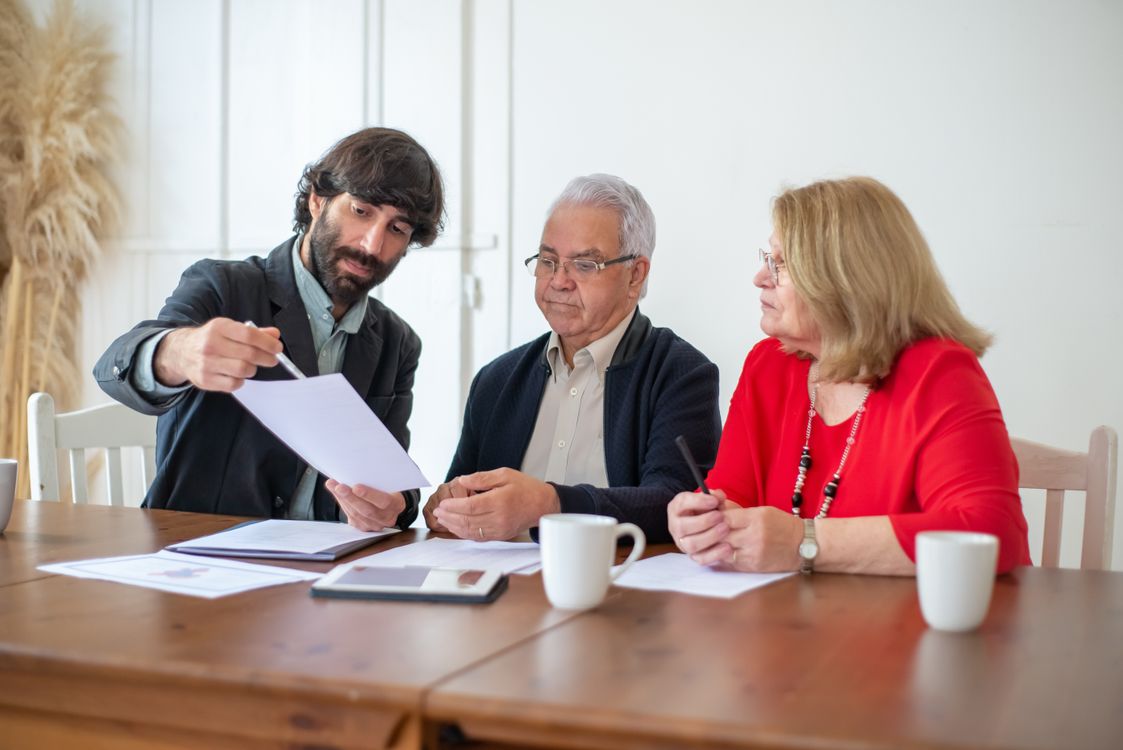
Knowing how capital gains tax is worked out and applied is key if you’re selling property in Spain. This knowledge helps make sure you’re ready for any tax liability and can plan to get the most out of your sale.
Selling property in Spain can be a great opportunity, especially with the lively real estate market attracting investors from all over the world. But, getting your head around capital gains tax is really important to make sure everything goes smoothly. Imagine closing a deal and then finding out unexpected taxes have curbed your profit. This article will help you understand taxable capital gains when selling property in Spain. We’ll show you how to handle it all easily, whether you’re a resident or not. Being in the know can save you from any nasty financial surprises.
Before we dive in, let’s go over the basic terms and rules that affect how capital gains tax is figured out and applied.
Table of Contents
- Understanding Capital Gains Tax in Spain
- How much is Capital Gains Tax in Spain
- Calculating Capital Gains Tax
- How to Avoid Capital Gains Tax in Spain
- Legal Exemptions and Reliefs
- Practical Steps for Selling Property
- Conclusion
Understanding capital gains tax in Spain
Capital gains tax is a big thing to think about when selling property in Spain. It’s the tax on the profit you make from selling something, like a house. This tax matters a lot because it can really affect how much money you end up with from the sale. In Spain, the rules for capital gains tax depend on a few things, like whether or not you live there, which affects how much tax you pay.
For 2024, non-residents have a flat capital gains tax rate of 19%. This means any profit you make from selling a property will be taxed at this rate, no matter how much it is. But if you live in Spain, you’ll deal with a tax system where the rate goes up with the amount of profit. This can range from 19% to 26%, depending on how much you make.
Keeping up with tax laws is really important because they can change, and these changes might affect how you should handle selling your property. Places like RSM Global, PwC, and the Tax Foundation are great for staying on top of the latest tax news. They offer detailed info and updates that can be super helpful if you’re selling property and want to understand capital gains tax.

How much is capital gains tax in Spain
When selling property in Spain, the tax implications differ significantly based on your residency status. Understanding these differences is key to managing your finances effectively and optimizing your tax strategy.
1. Capital gains tax on property in Spain for residents
Residents in Spain are subject to a progressive personal income tax on property sales. The tax rate increases as your profit grows:
- 19% for gains up to €6,000
- 21% for gains between €6,001 and €50,000
- 26% for gains over €200,000
This system ensures that those with higher profits contribute a larger share in taxes. For example, if a resident sells a property for a profit of €100,000, the tax is calculated across these brackets, resulting in a higher total tax bill compared to a flat rate system.
2. Capital gains tax on property in Spain for non residents
Non-residents enjoy a flat 19% capital gains tax, regardless of the profit amount. This straightforward rate is part of Spain’s effort to attract foreign investors and simplify tax rules for international property owners.
For instance, if a non-resident sells a property for a €100,000 gain, their tax obligation would be a flat €19,000, making it easier to calculate and often less burdensome than the progressive rates for residents.
3. Deductions and exemptions
Residency status also affects the deductions and tax exemptions available:
- Residents can access more tax reliefs and deductions to reduce their taxable income.
- Non-residents typically have limited options for tax relief but benefit from the flat tax rate.
Understanding these differences is essential for property sellers to plan effectively and potentially save on taxes.
For more on personal tax considerations based on residency, you might want to check out accountancy for individuals.
Knowing these differences is crucial for property sellers to plan well and make their tax strategy the best it can be. By understanding how residency impacts your taxes, you can better manage your financial duties and maybe even save on taxes.
Calculating capital gains tax
To figure out capital gains tax, you need to work out the difference between what you sell the property for and what it cost you, including any expenses you’re allowed to count. This is important to know what tax liability you might owe when selling property in Spain.
- Acquisition cost:
This includes what you paid for the property and any costs like notary fees, registration fees, and legal costs. Also, any improvements or work done on the property that makes it worth more can be added to the acquisition cost, which might lower your taxable capital gains. - Selling price:
This is the amount you get for the property. From this, you can deduct expenses related to the sale, such as estate agent fees, legal costs, and taxes paid during the sale. What’s left is your net selling price.
The taxable capital gains is then the net selling price minus the adjusted acquisition cost. This is the profit from the sale and is what’s taxed.
For exact calculations, you might want to use online tools and calculators from trusted places like PwC or RSM Global. These tools make it easier to account for everything and ensure you’re accurate.
By understanding how capital gains tax, rental income, and employment income interact with your overall tax liability, sellers can plan smartly and make the most of available tax exemptions. Following these steps helps ensure a smooth property sale in Spain.

How to avoid capital gains tax in Spain
Keeping your capital gains tax low is something many property sellers aim for to get the most money from a sale. There are a few ways to do this, focusing on planning, timing, and using credits and deductions.
One good way is careful tax planning, which means thinking about when to sell to get the best tax conditions. For example, selling a property in a year when your overall income is lower might put you in a lower tax bracket, so you’d pay less in capital gains tax. Also, staying up to date with tax law changes can help you pick the best time to sell.
Get help managing your finances
Simplify your finances with Baleario’s personalised accounting services. From tax planning to business accounting, our experts make it easy. Contact us today and focus on what matters most!

Taking advantage of tax credits and deductions is another smart move. In Spain, certain costs related to buying and selling the property can be deducted from the capital gain to lower the taxable amount. These include things like improvements that add value to the property, legal fees, and selling costs.
Understanding market conditions can also help with tax planning. When the real estate market is growing, property values might go up, leading to potentially higher capital gains. Selling during these times can boost your profit, but be sure to consider the tax implications as well.
By using these strategies, property sellers can manage their capital gains tax duties and improve their financial results. The next section will look at legal exemptions and reliefs that can further lower tax bills, giving a full picture of the options available to sellers.
Legal exemptions and reliefs
If you tick the right boxes, you might not have to pay any capital gains tax, which is a big win for your wallet.
So, how do you qualify for this primary residence exemption? First off, the place you’re selling needs to have been your main home for at least three years. And then, you need to plough all the sale money into buying another home within two years. This new place has to be your main home too, and only then will you dodge the capital gains tax.
There’s also a handy relief for those over 65. If they sell their main home and use the money to buy a life annuity, they can skip the tax on the capital gain. This is a great option for older folks wanting to secure their finances while getting some tax relief.
Picture this: a retiree selling their long-time family home. If they meet the age requirement and invest the proceeds into a life annuity, they can really lighten their tax load. Or, a family moving to a new house might use the primary residence exemption, as long as they put the sale proceeds into another main home within the given timeframe.
Consulting with NIE registration experts can offer personalised advice, making sure sellers know all their options and responsibilities. This smart approach lets property sellers make informed choices, getting the most out of their finances while following Spanish tax rules.
Practical steps for selling property
Selling property in Spain involves several key steps, each requiring careful attention to ensure a smooth and legal process. Here’s a structured guide to help you handle the journey confidently.
1. Gather legal documents
Start by organising all necessary legal paperwork, including:
- Title deeds to prove ownership.
- Energy performance certificate, which is mandatory for property sales in Spain.
- Any relevant planning permissions or licenses.
Having these documents ready ensures a seamless sale and avoids unnecessary delays.
2. Hire a lawyer
It’s a smart move to get a lawyer who knows the Spanish property market inside and out. They’ll:
- Walk you through the legal requirements.
- Handle tricky tax issues so you stay compliant.
- Make sure everything is in order, giving you peace of mind.
3. Market your property
When it’s time to sell, a great estate agent can make a big difference. They’ll:
- Manage viewings and negotiations with potential buyers.
- Use their local expertise to attract the right offers.
- Help you get the best price for your property.
4. Close the deal
When you and a buyer agree on terms, it’s time to make it official:
- Sign a preliminary contract (“contrato de arras”): The buyer pays a deposit to lock in the deal.
- Finalise the sale with a notary: Both parties sign the final contract in front of a notary to complete the transaction.
The Spanish Notaries Association has helpful resources to ensure everything is legally sound.
5. Pay your taxes
After the sale is finalised, let the Spanish tax authorities know and settle any taxes, like:
- Capital gains tax on the profit from your sale.
- Other taxes that might apply based on your residency status.
This step keeps you on the right side of Spanish tax laws and prevents future issues.
The Spanish Notaries Association has resources and guidance to help wrap up property sales, making sure all the legal bits are sorted.
Conclusion
Understanding how capital gains tax works when selling property in Spain is crucial for maximising your profits and ensuring a smooth process. Here’s how to stay ahead and make the most of your sale:
- Stay informed: Keep up-to-date with the latest rules and regulations around capital gains tax. The tax landscape in Spain evolves, so staying informed is essential for making smart decisions.
- Use available exemptions: Take advantage of any exemptions or deductions you qualify for to reduce your taxable amount. Knowing what’s available can significantly improve your financial outcome.
- Seek professional advice: A tax advisor or solicitor experienced in Spanish property sales can provide tailored guidance. Their expertise helps you overcome complex tax rules and ensures you don’t miss any opportunities to save.
FAQs
What costs can be deducted when calculating capital gains tax?
Deductible costs include expenses like notary fees, registration fees, estate agent commissions, legal fees, and any investments made to improve the property’s value. These can reduce your taxable profit.
How can property sellers minimise capital gains tax in Spain?
You can minimise taxes by timing the sale during a low-income year, leveraging available deductions, and keeping up with tax law changes. Consulting a tax professional can also help identify the best strategies.
What happens if I don’t pay capital gains tax after selling a property?
Failing to pay capital gains tax can lead to fines, penalties, and legal issues with Spanish tax authorities. Prompt payment ensures compliance and avoids future complications.
Do I need a lawyer to handle capital gains tax when selling property in Spain?
While not mandatory, hiring a lawyer is highly recommended. They can guide you through legal requirements, manage tax calculations, and ensure you comply with all obligations efficiently.
Get accounting support
Leave the numbers to us! Baleario’s accounting services ensure your finances are in safe hands. Contact us and simplify your tax and financial planning.