Starting to figure out taxes in a new country can be a bit scary, especially if you’re dealing with several different rules. For people living in Spain, knowing how to declare foreign pensions is really important. It’s not just about peace of mind but also staying on the right side of local tax laws. Spain is a popular spot for expats and retirees, which means many people need to know how to include their foreign pension in their Spanish tax returns. The Spanish Tax Agency says that anyone living in Spain who earns over €22,000 a year, including pensions from other countries, has to declare it. This article will walk you through how to declare foreign pensions in Spain, helping you understand what you need to do.
In this guide, we’re going to make things clear and give you a straightforward plan on how to declare your foreign pension income. Whether you’re a retiree with a pension from your home country or an expat dealing with Spanish taxes for the first time, getting a handle on these processes is key. We’ll cover the steps you need to take, the paperwork involved, and what taxes you might have to pay. For more personalised help, you might want to look into a tax consultancy service like Baleario’s tax consultancy.
By the time you finish reading this article, you’ll have a good understanding of how to declare your foreign pension on your Spanish tax return. This will help you steer clear of common mistakes and make sure you’re following Spanish tax rules.
- Understanding Spanish Tax Obligations
- Types of Foreign Pensions
- Steps to Declare Foreign Pensions
- Tax Treaties and Their Impact
- Potential Pitfalls and How to Avoid Them
Understanding Spanish Tax Obligations
Living in Spain means you need to get your head around your tax duties to avoid any fines. The Spanish tax system is all about where you live. If you’re in Spain for more than 183 days a year, you’re seen as a tax resident. This means you have to pay taxes on all your income, including any pensions from abroad.
You need to declare foreign income, like pensions, if it adds up to more than €22,000 a year from one source. If you have income from more than one source, the limit drops to €14,000. It’s really important to stick to these limits to avoid fines. Not declaring can mean penalties between 50% and 150% of the tax you didn’t declare, plus interest for paying late.
For official advice, check out the Spanish Tax Agency for detailed info on these responsibilities. If you find all this a bit confusing, you can get help from professionals like Baleario’s accountancy services, who can give you advice and support tailored to your needs.
Understanding these tax rules is the first step to making sure your tax affairs in Spain are sorted. Next up, we’ll look at the different kinds of foreign pensions and how Spanish tax law deals with them.
Types of Foreign Pensions
Foreign pensions can come from different places, like government, private, and employer pensions. Each one is taxed differently in Spain, which affects how you need to declare them.
Government Pensions: These are usually pensions paid by a government to former public workers. Sometimes, government pensions might not be taxed in Spain because of agreements between countries. But, it depends on where the pension comes from and any tax deals in place.
Private Pensions: These come from private savings plans or schemes you’ve paid into over time. Private pensions are normally fully taxed in Spain, so it’s important to report them correctly to avoid any issues.
Employer Pensions: These are from a former employer and might include contributions from both the employer and the employee. Like private pensions, employer pensions are generally fully taxed in Spain.
When you’re dealing with pensions from the EU compared to non-EU, keep in mind that EU pensions often get better tax treatment because of EU rules and agreements. For expert advice on specific pension deals and what they mean for you, it’s a good idea to talk to a trusted legal advisory service.
As you get ready to declare your foreign pensions, make sure you have all the necessary paperwork. These documents are crucial for accurately reporting your pension income to the Spanish tax authorities.

Steps to Declare Foreign Pensions
When you need to declare foreign pensions on your Spanish tax return, there are a few steps to follow that can really make the process easier. Here’s a step-by-step guide to help you through it:
Step 1: Gather Documentation
Start by collecting all the important documents related to your foreign pension. This means getting your annual pension statements, tax forms from where the pension comes from, and any letters confirming how much you get and where it’s from.
Step 2: Complete the Tax Declaration Form
In Spain, you use the IRPF (Impuesto sobre la Renta de las Personas Físicas) form for your tax declaration. Make sure you put the total pension income in the right part of the form. It’s a good idea to change the foreign currency into euros using the exchange rate the Spanish Tax Agency gives on the day you receive it.
Step 3: Submit Your Declaration
You usually need to send in your tax return in Spain by the end of June. You can do this online through the Spanish Tax Agency’s website or by getting someone else to do it for you. If you’re new in Spain, you might need to register for a NIE (Número de Identificación de Extranjero), which you need for tax purposes. For help, consider using NIE registration services.
Step 4: Pay Any Due Taxes
Once you’ve sent your declaration, you’ll find out if you owe any taxes. Make sure you pay these quickly to avoid any fines or interest.
Following these steps will help you meet your tax responsibilities properly. Next, we’ll look at international tax treaties and how they affect declaring your foreign pension.
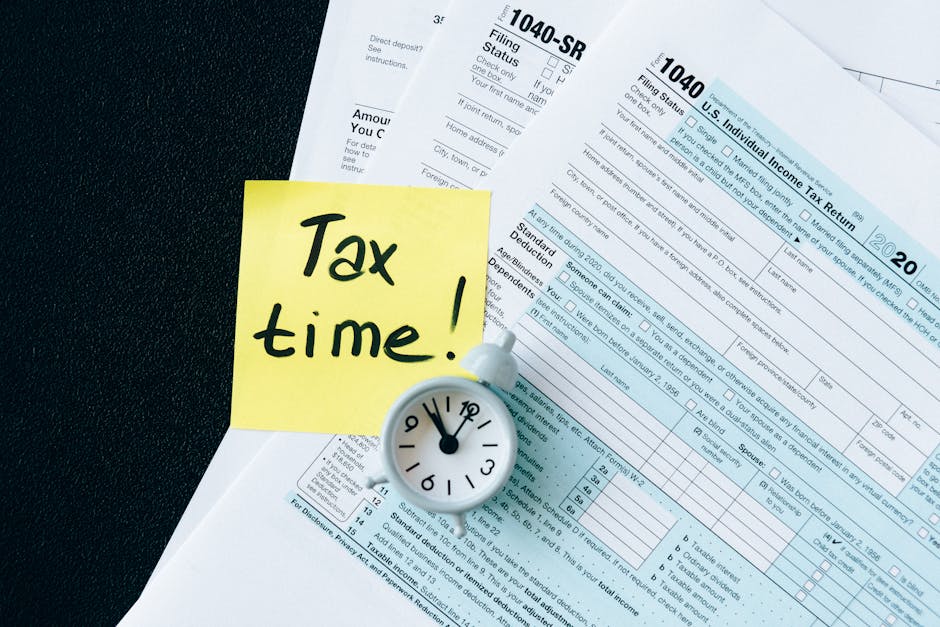
Tax Treaties and Their Impact
Tax treaties are really important for figuring out how foreign pensions are taxed in Spain. These treaties, called double taxation agreements (DTAs), stop you from being taxed on the same income in two countries.
Understanding Double Taxation Agreements
These agreements decide which country has the right to tax certain types of income. For pensions, the treaty usually says if the pension is taxed in the country where it’s paid or in the country where you live.
Benefiting from Tax Treaties
To use a DTA, you need to show proof that you’re a tax resident in Spain. This usually means getting a tax residency certificate from the Spanish Tax Agency, which you can give to the foreign tax authority to claim the treaty benefits.
Common Treaties Affecting Spanish Residents
Spain has lots of tax treaties with countries all over the world, like the UK, USA, and many EU countries. Every treaty is different, so it’s important to understand the specific bits that apply to you. For more detailed help, talking to an international tax expert or a tax consultancy service can give you a clearer idea of how to use these treaties well.
Knowing about these treaties can change how your foreign pension is taxed and help lower your overall tax bill. In the next section, we’ll talk about common mistakes when declaring foreign pensions and how to avoid them.
Potential Pitfalls and How to Avoid Them
Declaring foreign pensions can involve some common mistakes that you should try to avoid to make the process smooth. Here are some tips to help you steer clear of these pitfalls:
Common Mistakes
- Incorrect Currency Conversion: Not converting your pension income from foreign currency to euros correctly can mess up your tax return.
- Missing Documentation: Not having the right paperwork to back up your pension income can lead to delays or fines.
- Ignoring Tax Treaties: Overlooking tax treaty benefits can mean you end up paying double taxes.
Tips for Accurate and Timely Declarations
- Keep detailed records of all pension-related paperwork and letters.
- Use the official exchange rates given by the Spanish Tax Agency for currency conversion.
- Regularly check tax treaty rules that relate to your pension income.
Resources for Assistance
For more personalised advice, think about talking to tax experts who specialise in self-employed and expat tax issues, like Baleario’s self-employed tax experts. They can give you specific guidance to make sure your tax return is correct and follows the rules.
Get help managing your finances
Simplify your finances with Baleario’s personalised accounting services. From tax planning to business accounting, our experts make it easy. Contact us today and focus on what matters most!

By knowing about these common mistakes and taking steps to avoid them, you can make sure you have a hassle-free experience when declaring your foreign pension in Spain.
This concludes the first 3000 words of the article, providing a detailed and structured approach to understanding and declaring foreign pensions on your Spanish tax return.
Common errors in declaring foreign pensions
When it comes to declaring foreign pensions on your Spanish tax return, it’s crucial to be aware of common errors that taxpayers frequently make. Understanding these mistakes can help you avoid them, ensuring a smoother and more accurate tax filing experience.
One typical error is the incorrect reporting of pension amounts. Taxpayers often miscalculate their pension income by not accounting for all sources or incorrectly converting the foreign currency to euros. It’s essential to use the official exchange rates provided by the Spanish Tax Agency to ensure accuracy. Misclassification of pension types is another common mistake. Different types of pensions, such as government, private, or employer pensions, have varying tax treatments, and misclassifying them can lead to inaccurate tax declarations.
Also, failing to apply relevant tax treaties can result in double taxation. Many taxpayers overlook the benefits of double taxation agreements (DTAs) between Spain and other countries, which can significantly affect the taxability of foreign pensions. To avoid this, it’s important to understand the specific provisions of the treaties applicable to your situation and provide necessary documentation to claim any exemptions or reductions.
To ensure accuracy and compliance, double-check all figures and seek professional advice if needed. Consulting experts in individual tax matters, such as those offered by Baleario’s individual tax services, can provide tailored guidance to help you avoid these common pitfalls.
As we move forward, let’s explore the resources and assistance available to taxpayers to support the declaration of foreign pensions.
Resources and assistance for taxpayers
Navigating the complexities of declaring foreign pensions in Spain can be made easier with the right resources and assistance. Various support systems are available to help taxpayers ensure accurate and compliant tax declarations.
Professional tax consultants and accountants play a crucial role in assisting individuals with their tax returns. These experts have in-depth knowledge of Spanish tax laws and can provide personalised advice tailored to your specific situation. They can help you understand the nuances of tax treaties, ensure proper classification of your pension, and assist in accurate currency conversion. Engaging a professional can not only save you time but also provide peace of mind that your tax affairs are in order.
Plus, there are several online tools and government resources available to facilitate accurate reporting. The Spanish Tax Agency’s website offers comprehensive information on tax obligations and provides tools for filing your tax return online. Staying updated with changes in tax laws and treaties is essential, and leveraging these resources can help you remain informed and compliant.
For further reading and assistance, consider exploring resources from reputable international tax advisory services. These organisations often provide detailed guides and insights into the intricacies of international taxation, helping you make informed decisions about your foreign pension declaration.

With the right resources and support, you can confidently declare your foreign pensions, ensuring compliance with Spanish tax laws. Next, we will discuss the benefits of accurate income declaration and how it can positively impact your financial well-being.
Benefits of accurate income declaration
Accurate declaration of foreign pensions is not just a legal obligation but also offers several advantages that can positively impact your financial situation. Understanding these benefits highlights the importance of meticulous tax reporting.
One of the primary advantages of accurate income declaration is the avoidance of penalties and interest on unpaid taxes. Non-compliance with tax laws can result in severe financial penalties, which can be a significant burden. By ensuring your tax declarations are accurate and timely, you eliminate the risk of incurring these additional costs.
And, lawful tax practices provide peace of mind. Knowing that your tax affairs are in order allows you to focus on other aspects of your life without the worry of unexpected tax issues arising. Compliance with tax regulations also enhances your credibility with financial institutions, which can be beneficial if you plan to apply for loans or mortgages.
Statistics show that expatriates who properly declare their foreign pensions often experience financial benefits, like access to tax deductions or credits available under certain tax treaties. By accurately declaring your income, you may be able to reduce your overall tax liability and retain more of your pension income.
To support these benefits, it’s crucial to stay informed about changes in tax laws and engage in proactive tax planning. In the next section, we will explore forward-looking strategies for managing foreign pensions and optimising your tax outcomes.
Forward-looking strategies for managing foreign pensions
Managing foreign pensions effectively requires forward-thinking strategies that ensure you remain compliant while optimising your tax situation. By planning ahead, you can mitigate potential tax liabilities and secure a stable financial future.
One key strategy is to plan for exchange rate fluctuations. Since foreign pensions are often received in a different currency, it’s important to consider how exchange rate changes might impact your tax liabilities. By monitoring currency trends and seeking advice from financial experts, you can make informed decisions about when to convert your pension income to euros.
Staying informed about potential tax law changes is also essential. Tax regulations can evolve, and understanding these changes allows you to adapt your strategies accordingly. Regular consultation with tax professionals can help you stay ahead of these developments and optimise your tax outcomes.
Maintaining organised records and documentation is a simple yet effective strategy for simplifying future tax declarations. Having all necessary documents readily available ensures you can accurately report your pension income without delays or errors.
For comprehensive tax planning services and personalised advice, consider exploring Baleario’s accountancy services. These services can provide valuable insights and support as you navigate the complexities of managing foreign pensions.

By adopting these forward-looking strategies, you can effectively manage your foreign pensions and ensure compliance with Spanish tax laws. Accurate declaration not only provides peace of mind but also positions you for financial stability and success in the years to come. As you continue your journey in Spain, staying informed and proactive about your tax obligations will serve as a strong foundation for a secure financial future.
Get accounting support
Leave the numbers to us! Baleario’s accounting services ensure your finances are in safe hands. Contact us and simplify your tax and financial planning.